
Blog:Why Do My Teeth Hurt? Understanding Late-Summer Tooth Sensitivity in Santa Monica

A sip of iced water, a bite of frozen yogurt, or even a breath of cool air can cause a sudden jolt of tooth pain. During late summer in Santa Monica, cold drinks, citrus-based refreshments, outdoor dining, and changing routines may make tooth sensitivity more noticeable. However, the season itself is not usually the underlying cause.
Sensitive teeth can develop when enamel becomes worn or the gumline recedes, exposing the dentin beneath. Tooth decay, damaged fillings, gum disease, cracks, and teeth grinding may also cause discomfort. At Wilshire Dental, we evaluate the source of sensitivity so treatment is based on what your teeth actually need.
Why Cold Summer Foods Trigger Tooth Pain
Enamel protects the visible portion of each tooth. Beneath it is dentin, a more sensitive layer containing microscopic channels that lead toward the tooth’s nerve. When dentin becomes exposed, cold, heat, pressure, or acidic foods can create a brief, sharp sensation.
Late-summer habits may reveal sensitivity that was already developing. Iced coffee, smoothies, frozen desserts, and cold sparkling beverages can trigger exposed areas. Acidic choices such as citrus drinks, sports drinks, and soda may also contribute to enamel erosion when consumed frequently.
Sensitivity that disappears immediately may still deserve attention, particularly when it continues returning. Pain that lingers, throbs, or affects one specific tooth could indicate a cavity, crack, damaged restoration, or another condition requiring professional care.
Common Causes of Sensitive Teeth
Santa Monica patients may experience sensitivity because of:
- Tooth decay that has weakened the enamel
- Gum recession that exposes part of the tooth root
- Worn enamel from aggressive brushing or acidic foods
- A cracked tooth or damaged filling
- Gum inflammation or periodontal disease
- Teeth grinding or clenching
- Recent whitening or another dental procedure
- A loose, worn, or poorly fitting restoration
The correct treatment depends on the cause. Using a sensitivity toothpaste may help certain patients, but it cannot repair a cavity, fractured tooth, or damaged filling. A dental examination is the best way to determine whether the discomfort is minor or a sign of a problem that could worsen.
Could Your Brushing Habits Be Making It Worse?
Brushing harder does not clean teeth better. Applying too much pressure or using a firm-bristled toothbrush can contribute to enamel wear and gum recession over time.
Use a soft-bristled toothbrush and gentle circular movements. Continue brushing twice daily with fluoride toothpaste and flossing every day, but avoid scrubbing painful areas aggressively. The American Dental Association also recommends limiting acidic foods and drinks when sensitivity is a concern.
After consuming something acidic, rinse with water and wait before brushing. Brushing immediately may place extra pressure on enamel that has been temporarily softened by acid.
When Tooth Sensitivity Needs Prompt Attention
Schedule a dental visit when sensitivity lasts more than a few days, becomes stronger, or begins interfering with eating and drinking. You should also seek care if the pain occurs while biting, wakes you at night, or appears with swelling, fever, a bad taste, bleeding gums, or visible tooth damage.
Depending on the findings, treatment may involve a desensitizing toothpaste, professional fluoride, bonding, a filling, gum treatment, a nightguard, or restoration of a cracked or damaged tooth. Treating the source early may prevent minor sensitivity from developing into more persistent pain or infection.
Personalized Care for Santa Monica Smiles
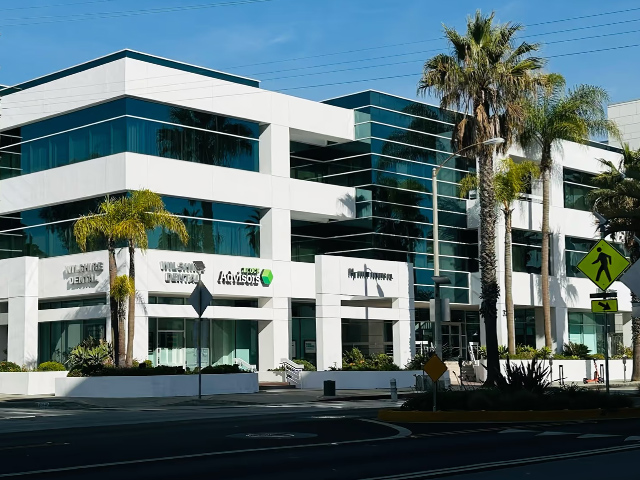
At Wilshire Dental, we examine the teeth, gums, bite, and existing restorations to determine why sensitivity is occurring. Our Santa Monica dental team can then recommend an appropriate treatment plan rather than simply covering the symptoms. The practice provides family dental care for patients with a range of preventive, restorative, and cosmetic needs.
Stop planning your summer treats around tooth pain. Schedule an evaluation with Wilshire Dental at 3201 Wilshire Blvd., Suite 110, Santa Monica, CA 90403, by calling (310) 829-5181.
Quick Links

All Dental Services
We offer a wide variety of dental services to the Santa Monica community. Contact us with any questions about our services.
Keep In Touch
For non-urgent questions or to learn more about our services, contact us today!

© 2026 Wilshire Dental. All rights Reserved - Accessibility Statement - Privacy Policy - Terms of Services - Sitemap
Managed and Designed by 